Bob Ross Art Classes in Medway Students
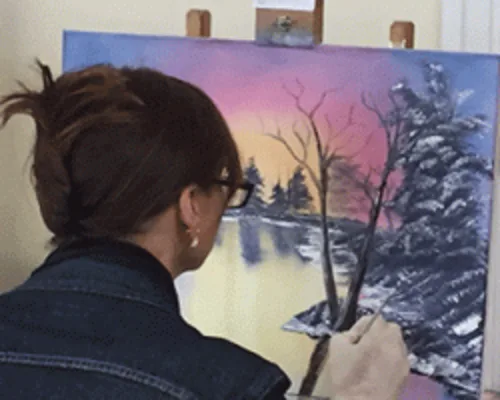
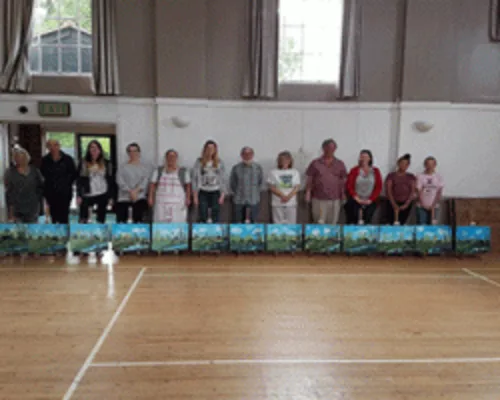
Medway is one of the main areas served by Paint with Mark, with beginner-friendly Bob Ross oil painting classes available at the Whitstable venue and online tutorials for students who prefer to paint at home.
Students from Medway are close enough to make the workshop a straightforward creative day out. The class is friendly, paced carefully, and built around practical brush and knife techniques that make landscape painting feel achievable.
About Medway
Medway is a conurbation of five towns — Rochester, Chatham, Gillingham, Strood, and Rainham — straddling the River Medway where it widens toward the Thames Estuary. This is a place shaped by centuries of naval power: Chatham Historic Dockyard, where Nelson's HMS Victory was built, now operates as one of England's finest heritage attractions, its ropery, smithery, and covered slipways telling the story of four hundred years of shipbuilding. Rochester's Norman castle and ancient cathedral provide a medieval counterpoint to Chatham's industrial grandeur, while Gillingham's Great Lines Heritage Park offers panoramic views from fortifications built to defend the dockyard from overland attack. The River Medway itself dominates the landscape, its tidal reach creating mudflats and marshes that support rich birdlife and provide moody, atmospheric vistas. Fort Amherst, the largest and most complete Napoleonic fortress in Britain, burrows into the chalk beneath the Great Lines. The towns are undergoing significant regeneration, with new university campuses, creative spaces in repurposed dockyard buildings, and an increasingly vibrant food and drink scene along the Rochester waterfront.
Art and Culture in Medway
The Medway towns have inspired artists and writers for centuries. Charles Dickens spent his formative years in Chatham and Rochester, and the atmospheric streetscapes and river scenes he described have drawn illustrators and painters ever since. J.M.W. Turner painted Rochester Castle and the Medway estuary on multiple occasions, captivated by the interplay of light on water and ancient stone. The Historic Dockyard's covered spaces now host exhibitions and creative events, while the converted dockyard buildings at Chatham provide affordable studio space for a growing community of painters, printmakers, and sculptors. The Rochester Art Society, one of Kent's oldest, maintains a vigorous exhibition programme, and independent galleries along Rochester High Street showcase contemporary work. The Universities at Medway campus has brought fresh creative energy, and the annual Sweeps Festival fills Rochester with large-scale art installations and performances. The Medway landscape itself — tidal river, marshland, industrial heritage, and medieval architecture — offers an unusually rich and varied palette of subjects for visual artists.
Why Medway Residents Love Oil Painting
The Medway towns are places where people work hard, whether in the remaining industries along the river, the growing service sector, or on the London commute from Strood and Rochester. A Bob Ross painting class at our Whitstable studio offers a genuinely different kind of day — no deadlines, no emails, just the deeply satisfying process of building a landscape with oil paints. Medway residents who are accustomed to the area's dramatic river views and brooding marshland skies already possess a strong visual sense, even if they have never considered themselves artistic. The Bob Ross method meets you exactly where you are and proves, within the first hour, that you absolutely can paint. The short M2 drive to Whitstable crosses the Kent countryside in barely half an hour, making it one of the most accessible creative days out available.
Painting the Medway: Estuarine and Riverside Oil Landscapes
The Medway towns sit along one of England's most historically significant rivers, from the upper reaches at Tonbridge through the cathedral city of Rochester to the broad estuary at Gillingham and Chatham. This river landscape — marshes, naval heritage, wide tidal reaches, and the Hoo Peninsula's enormous skies — provides a rich palette of subjects for oil painting. The Bob Ross wet-on-wet technique is particularly suited to estuarine painting, where the atmospheric, light-filled quality of tidal water and the vast Kent sky above demand a loose, blended approach rather than careful detail. In class you will learn to paint the characteristic atmosphere of the Medway estuary: the way morning mist softens the distant dockyard silhouettes, the silver quality of light on moving water, and the layered greens and browns of marsh and reed bed. Students from across the Medway towns find that the techniques they learn connect directly to the landscape they see from Chatham Historic Dockyard or the Medway Valley Walk.
For more help before your first class, read the first oil painting class guide, browse the student gallery, or try a free video lesson.